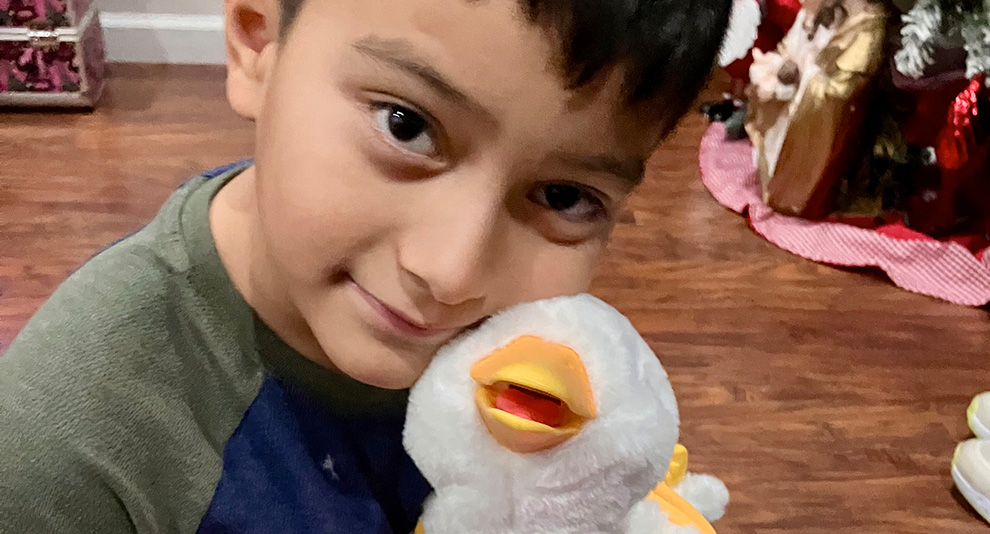
March Sibling Spotlight
The Family Support Team at Friends of Karen have the privilege to work with inspiring children facing extraordinary obstacles, all the while balancing the highs and lows of growing up. Eight-year-old Lionel is creative, loves soccer, and is both kind-hearted and full of energy. He has an older sister, Sherilyn, who will soon turn sixteen. In many ways, they are typical siblings—they enjoy playing Roblox together and pulling the occasional prank on each other.
But nearly two years ago, their lives changed when Sherilyn was diagnosed with leukemia. Following her diagnosis, she experienced additional medical complications that required her to remain in the hospital for almost a year.
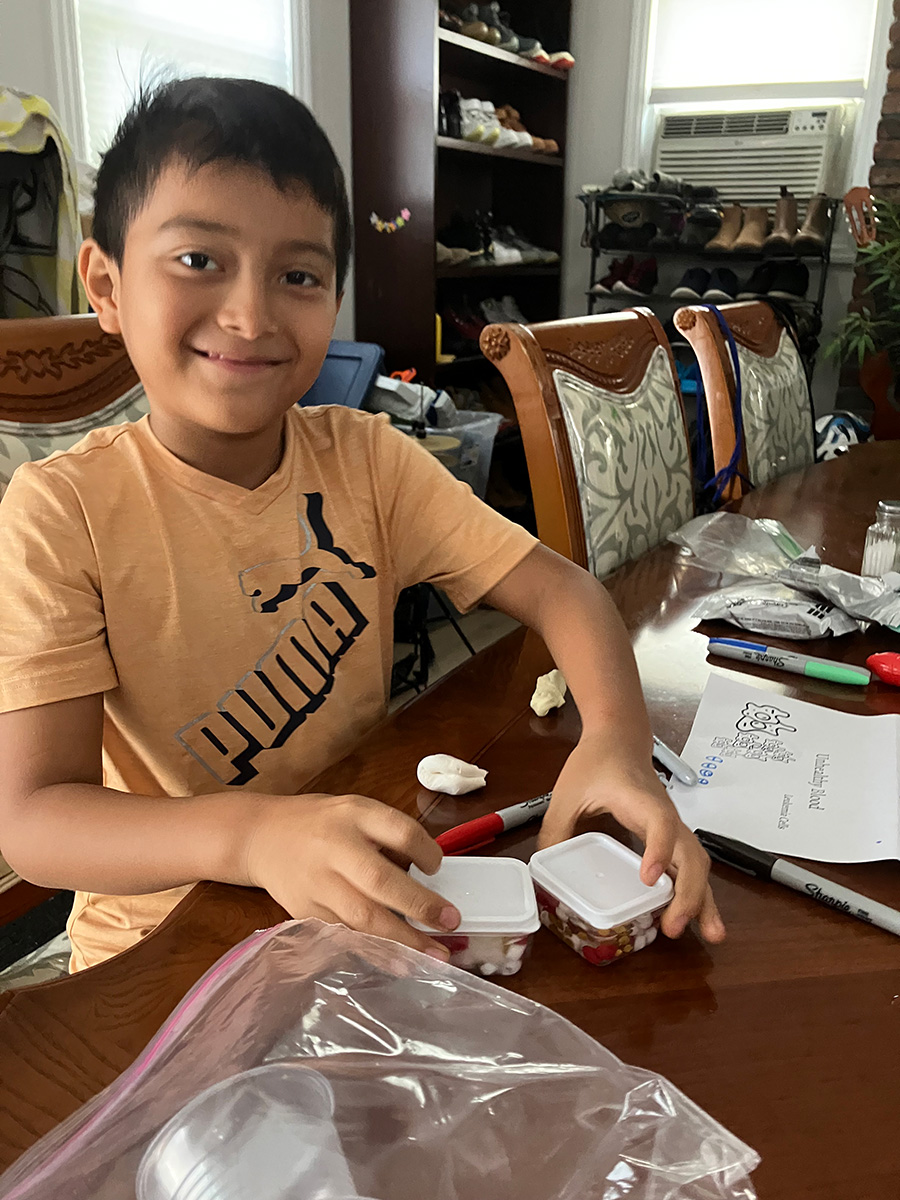
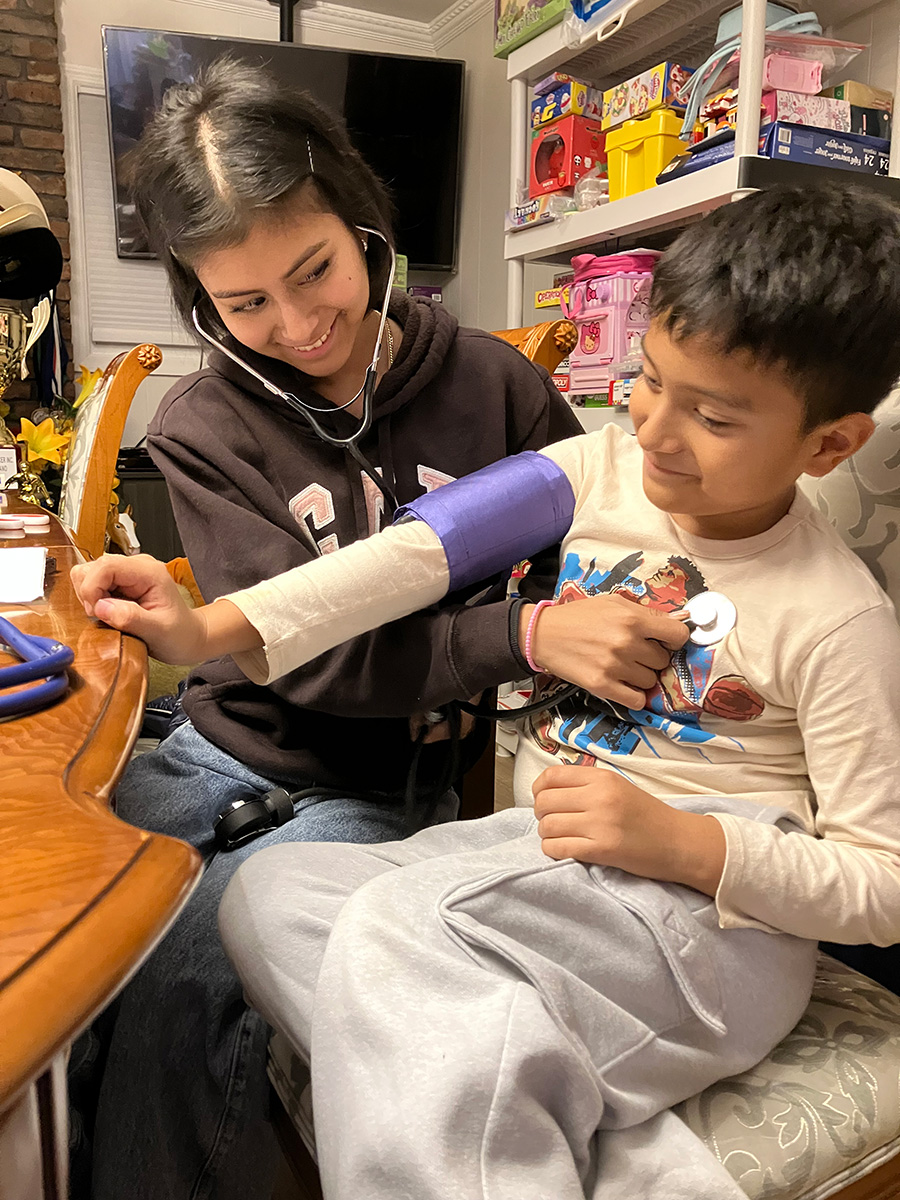
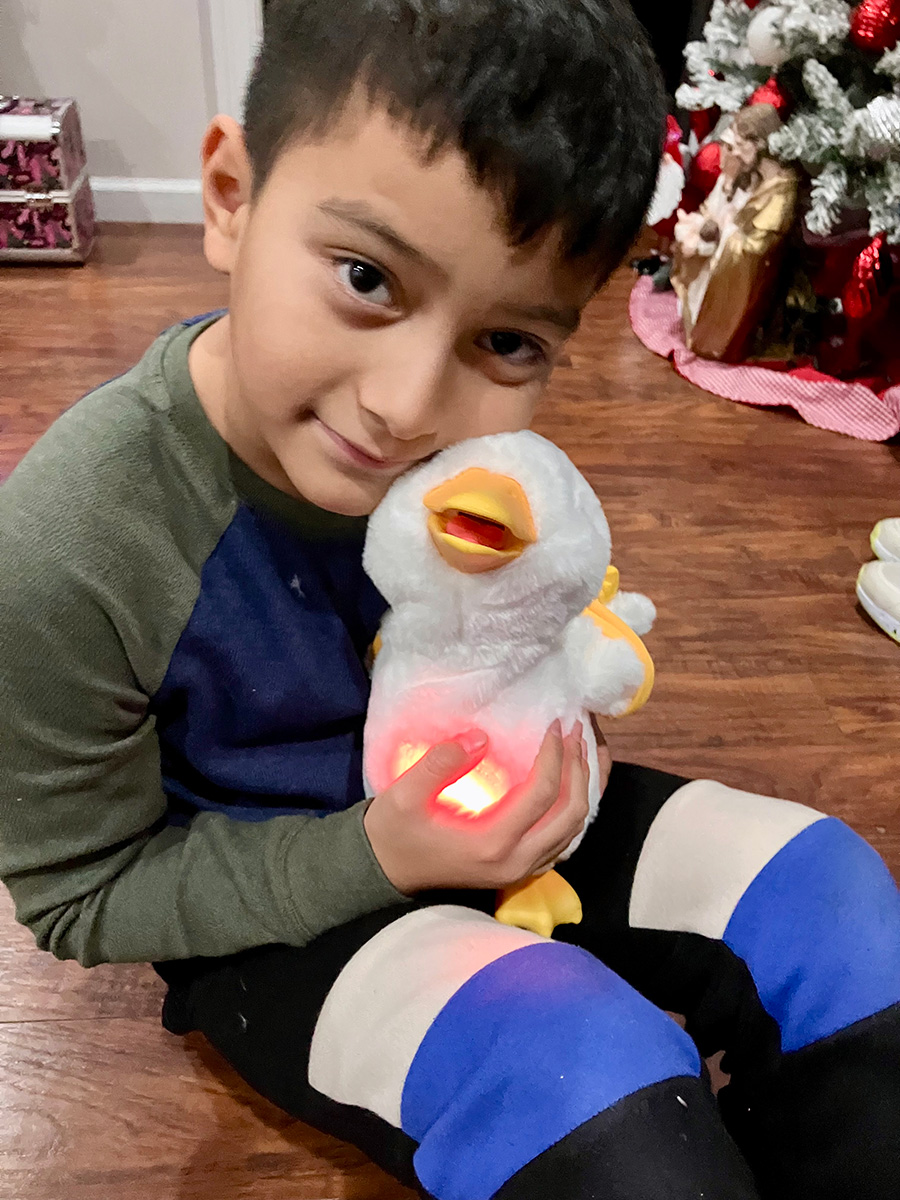
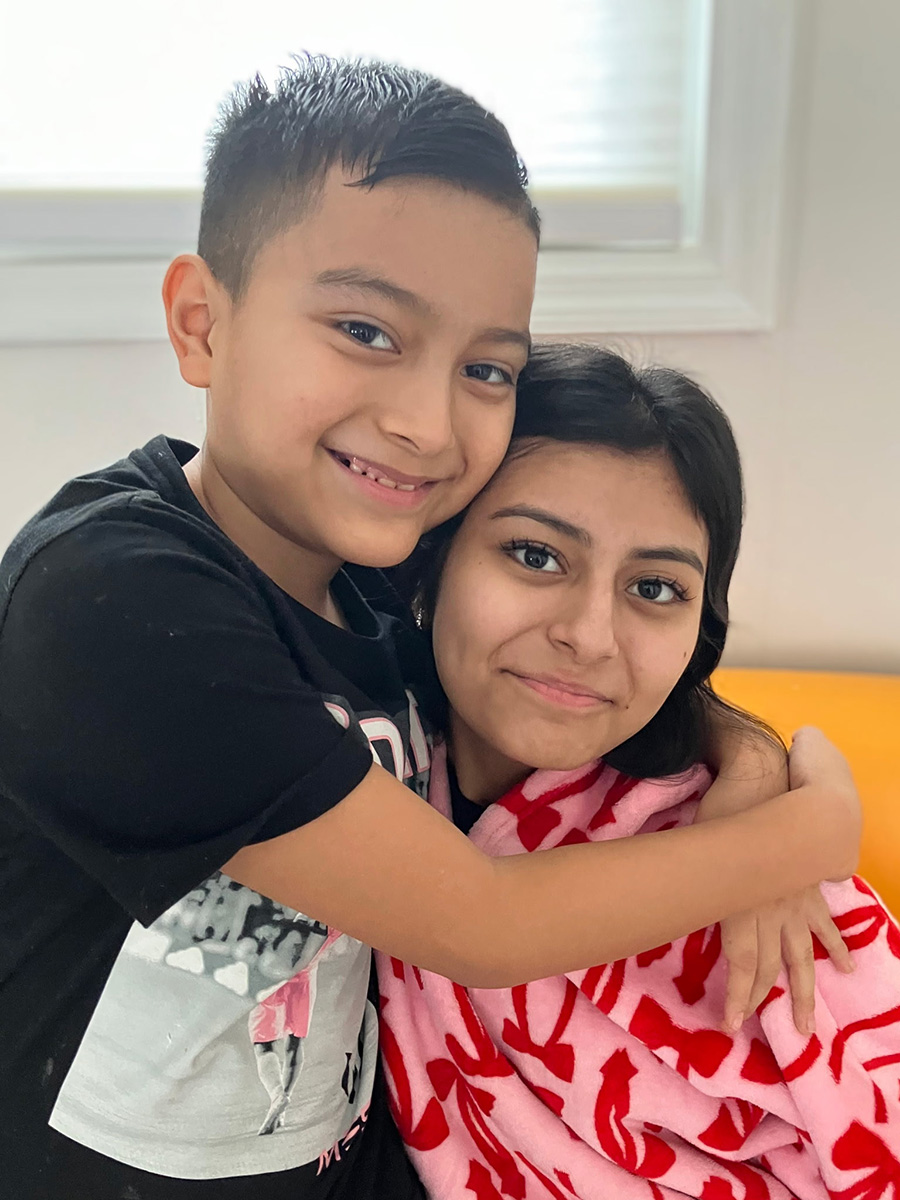
Recently, Lionel and Sherilyn sat down with a Friends of Karen Sibling Support Specialist to reflect on this challenging time in their lives and to share what they have learned through the experience.
What was it like when your sister was in the hospital?
Lionel: I was sad and also crying when she was in the hospital. I really missed her.
What was it like at home without her there?
Lionel: Mom was in the hospital with my sister, she came home on weekends so I could spend some time with her. But during the week it was just me and Dad at home. But my cousin, also my best friend, Liam, would come over and play with me.
Did you visit your sister at the hospital?
Lionel: I wasn’t allowed to because I was too young. That made me sad I just wanted to see her.
Sherlyn: After 4 months the hospital let Lionel visit with special permission. But it was still a short visit. When I saw him I wanted to cry. I realized how much I missed him.
Since it was so hard to be away from each other, what did you do to feel better?
Lionel: We played Roblox still.
Sherlyn: We also did video chat. We would talk about what happened that day.
What was it like when she returned home?
Lionel: I asked a lot of questions about what happened. I was worried if she was really okay. They said she had a port and I worried if she would get hit by a ball. So I had to be sure to play nicely and calmly.
After she came home I started meeting you, to talk about your sister’s illness.
Lionel: Yes, I thought she got Leukemia from Taquis and Prime.
Sometimes kids perform ‘magical thinking’. This is when they create reasons why things happen. This is a normal thing for kids to do but it is important to help them understand the truth. Otherwise they may always believe their magical thoughts. Though Taquis and Prime are not the healthiest snacks or drink, they do not cause Leukemia.
What do you know now?
Lionel: Leukemia just happens to people. It is sad. My sister didn’t do anything to have it happen to her. She also got chemo and medicine to get rid of her cancer. Remember we did that activity with the blood cells that were beads?
Yes, what did we learn from that?
That healthy blood has many white and red blood cells. The unhealthy blood has leukemia and doesn’t work well. But now all the bad cells are gone and my sister is healthy.
What was it like for you to be home Sherlyn?
Sherlyn: It was hard being at home, I couldn’t walk well then. Lionel was really helpful. Whenever I asked him to get me something he would. Shhhh he still does it, even though I can walk well now. I still ask him to get me things!
It is hard to believe that Lionel and Sherlyn spent nearly a year apart while Sherlyn was in the hospital. Now, she has been home for almost a year and is doing very well. Lionel shared how happy he is to have his sister back home, and their time together again has meant so much to both of them.
Experiences like this can be difficult for children to fully understand. Often, kids need reminders and explanations more than once to grasp what a diagnosis or treatment means. As children grow, their ability to process new information changes, and their questions may evolve over time. Even a year after a diagnosis, they may still be trying to make sense of what has happened.
Cancer can be confusing and overwhelming—even for adults. Taking the time to listen to children, answer their questions, and encourage them to talk about their thoughts and feelings can help them better understand and cope with the experience.